
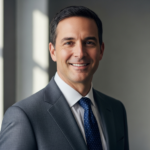
 By Angela Herrera
A staggering 80% of consumers now expect a personalized experience from brands, up from 60% just three years ago, according to a recent eMarketer report. This isn’t just a preference; it’s a demand that underscores precisely why marketing professionals matter more than ever. The days of broad-stroke campaigns are gone, replaced by an intricate dance of data, creativity, and precision. How do you keep pace with an audience that expects you to know them better than they know themselves?
Key Takeaways
- Brands leveraging advanced personalization strategies see an average 20% increase in customer satisfaction and a 15% boost in revenue within 12 months.
- Effective marketing professionals now integrate AI-powered analytics tools to identify micro-segments and predict consumer behavior with over 85% accuracy.
- To stay competitive, allocate at least 25% of your marketing budget to experiential marketing and community building, fostering genuine brand loyalty.
- Successful marketing initiatives in 2026 require cross-functional collaboration, with marketing teams deeply embedded in product development and customer service.
Only 5% of Brands Truly Nail Personalization
I read this statistic from a Nielsen study last quarter, and it hit me hard: despite the overwhelming consumer demand, only a tiny fraction of companies are actually delivering truly personalized experiences. This isn’t about slapping a customer’s first name onto an email. That’s table stakes, and frankly, a bit insulting if that’s all you’ve got. True personalization involves understanding behavior, anticipating needs, and delivering relevant content, products, or services at the precise moment they’re most receptive. As a marketing professional, my job isn’t just to sell; it’s to connect. When I was consulting for a regional furniture chain based out of Alpharetta, they were struggling with stagnant online sales. Their approach was generic discounts. We implemented a system that analyzed past purchases, browsing history, and even local weather patterns (think outdoor furniture in spring). The result? A 12% increase in average order value within six months, simply by sending targeted recommendations and offers that felt genuinely helpful, not intrusive. This requires a human touch, an understanding of psychology that algorithms alone cannot replicate.
Data Overload Demands Expert Interpretation: The 92% Deluge
Here’s another stunner: IAB research indicates that 92% of marketers feel overwhelmed by the sheer volume of data available to them. We’re swimming in metrics – clicks, impressions, conversions, bounce rates, time on page, customer lifetime value, attribution models, and on and on. My team and I regularly sift through terabytes of information. The challenge isn’t collecting data; it’s extracting actionable insights. Anyone can pull a report from Google Analytics 4 or Adobe Analytics. But knowing what to do with it? That’s where the professional comes in. I had a client, a small e-commerce boutique on Ponce de Leon Avenue, convinced their Facebook ads weren’t working because the Cost Per Click (CPC) was high. Looking deeper, we saw their Return on Ad Spend (ROAS) was actually fantastic for specific product categories because those clicks were converting at an incredibly high rate. Without a professional’s eye, they would have pulled the plug on a profitable channel, based on a single, isolated metric. This is why I always preach about understanding the “why” behind the numbers, not just the “what.” For more on effective data use, consider these digital marketing strategies for 2026.
The Erosion of Trust: Only 34% of Consumers Trust Brands
This is a chilling figure from a recent HubSpot report: only about a third of consumers actually trust the brands they interact with. In an era of misinformation, deepfakes, and privacy concerns, building and maintaining trust is paramount. It’s no longer enough to just have a good product; you need to be authentic, transparent, and consistent. This is where marketing professionals become the custodians of a brand’s reputation. We’re the ones crafting messages that resonate with integrity, managing crises with empathy, and ensuring every touchpoint reinforces a positive image. Think about the local independent bookstores in Decatur, like Charis Books & More. They don’t just sell books; they foster community, host events, and stand for something. Their marketing isn’t about aggressive sales tactics; it’s about building relationships. We recently advised a non-profit in Sandy Springs on their donor communication strategy. Instead of generic fundraising pleas, we focused on storytelling, showing the direct impact of donations with specific metrics and testimonials. This humanized their efforts and resulted in a 25% increase in first-time donors over the quarter. Trust is earned, not bought, and it’s a long game that demands skilled players. The 82% trust dividend highlights the importance of this.
AI is a Tool, Not a Replacement: 70% of AI-Generated Content Needs Human Refinement
The chatter around Artificial Intelligence taking over marketing jobs has been constant, but let me tell you, it’s misguided. A Statista survey found that a staggering 70% of AI-generated marketing content still requires significant human editing and refinement to be effective. Yes, AI tools like ChatGPT and Jasper can churn out copy at lightning speed, but it often lacks nuance, emotional intelligence, and genuine brand voice. We use AI extensively in my agency – for keyword research, content outlines, A/B testing variations, and even initial ad copy drafts. It’s phenomenal for efficiency. But the final polish, the strategic insight, the creative spark that makes a campaign truly stand out? That still comes from a human. I once had an AI draft a series of social media posts for a high-end jewelry brand. The copy was grammatically perfect, but utterly devoid of the aspirational, luxurious tone the brand needed. It sounded like a textbook. It took a skilled copywriter, a professional, about an hour to transform it into something compelling. AI is an amplifier for human talent, not a substitute. It handles the mundane so we can focus on the magnificent. This is a key aspect of marketing in 2026.
Challenging the Conventional Wisdom: “More Channels Means More Reach”
There’s a pervasive myth in marketing that the more channels you’re on, the better your reach, and therefore, the better your results. I’m here to tell you that’s often dead wrong. This conventional wisdom leads to diluted efforts, inconsistent messaging, and burned-out teams. Instead of spreading yourself thin across every platform from Snapchat to Pinterest, professionals understand the power of focused saturation. We call it “channel mastery.” It’s about identifying where your ideal audience truly lives and engaging them deeply and authentically there. For a B2B SaaS client in Midtown Atlanta, their initial strategy was to be everywhere. Their LinkedIn presence was decent, but their Instagram and TikTok were neglected, generic, and frankly, embarrassing. We pulled back aggressively, focusing 80% of their social media budget and effort into LinkedIn. We doubled down on thought leadership content, engaging in relevant industry groups, and leveraging LinkedIn Ads with precise targeting. Within four months, their qualified lead generation from social media jumped by 40%, while their overall spend decreased by 15%. This wasn’t about being on more channels; it was about being brilliantly effective on the right ones. It’s about quality over quantity, always. This approach helps avoid marketing silos that can hinder growth.
In this dynamic environment, the role of marketing professionals is not diminishing; it’s evolving into something far more intricate, strategic, and indispensable. We are the navigators through data storms, the architects of trust, and the human voice in a world increasingly filled with automated noise. Our ability to blend analytical rigor with creative flair, to understand human behavior deeply, and to adapt swiftly makes us more valuable than ever before. We don’t just execute campaigns; we shape perceptions, build communities, and drive sustainable growth for businesses of all sizes, from tech startups near Georgia Tech to established law firms downtown.
The marketing landscape will continue to shift, but the fundamental need for skilled professionals who can interpret, innovate, and connect will remain constant. Invest in your marketing talent, and you’re investing in the future of your business.
How has the role of marketing professionals changed with the rise of AI?
AI has transformed the marketing professional’s role from purely tactical to increasingly strategic. Instead of replacing human creativity, AI handles repetitive tasks like data analysis, content generation drafts, and A/B testing, freeing up professionals to focus on higher-level strategy, creative direction, emotional storytelling, and building genuine customer relationships. We now act as “AI whisperers,” guiding the technology to produce more impactful outcomes.
What specific skills are most critical for marketing professionals in 2026?
The most critical skills include advanced data analytics and interpretation, strategic thinking, emotional intelligence, cross-channel integration expertise, brand storytelling, and a deep understanding of ethical AI usage. Proficiency with platforms like Google Ads, Meta Business Suite, and CRM systems like Salesforce Marketing Cloud is also essential, but the ability to synthesize information and craft compelling narratives remains paramount.
Why is personalization so challenging for most brands?
Personalization is challenging due to several factors: fragmented data across multiple systems, a lack of cohesive strategy, privacy concerns limiting data collection, and the complexity of implementing real-time, dynamic content. Many brands also struggle with the initial investment in technology and the organizational change required to move beyond generic campaigns, often underestimating the need for skilled marketing professionals to orchestrate these efforts.
How do marketing professionals build trust in a skeptical consumer landscape?
Building trust involves consistent transparency in communication, authentic brand storytelling that aligns with values, ethical data practices, and delivering on brand promises. Marketing professionals achieve this by fostering genuine community engagement, responding thoughtfully to customer feedback, and demonstrating social responsibility, often through initiatives that resonate locally, such as sponsoring events at the Atlanta History Center or partnering with local charities.
What is “channel mastery” and why is it more effective than being on every platform?
Channel mastery is the strategic approach of deeply understanding and optimizing engagement on a select few marketing channels where your target audience is most active and receptive, rather than spreading resources thinly across all available platforms. It’s more effective because it allows for greater focus, higher quality content production, more precise targeting, and ultimately, a stronger return on investment by maximizing impact where it matters most.


