Hashtags trend, news cycles churn, and the urgency of a cause can fade quickly. But what happens to the marginalized communities at the heart of these movements when the spotlight shifts? Meaningful change requires more than fleeting online support. It demands long-term engagement and a commitment that extends far beyond the hashtag. Are you ready to move beyond performative allyship and cultivate social impact that lasts?
Understanding the Needs of Marginalized Communities
Before jumping into action, it’s essential to understand the specific needs and challenges faced by the marginalized communities you aim to support. Avoid making assumptions based on stereotypes or limited media portrayals. Every community is diverse, with unique experiences and priorities.
Start by listening. Seek out and amplify the voices of individuals within the community. Read their stories, follow their leaders, and attend their events (when appropriate and invited). This research phase is crucial for identifying genuine needs and avoiding well-intentioned but ultimately harmful interventions. For example, donating clothing to a community that lacks access to clean water, while helpful, doesn’t address the root cause of their struggles. Direct financial support, particularly unrestricted funding, often provides the most flexibility for communities to address their most pressing needs.
Furthermore, consider the intersectionality of identities. Individuals may face multiple forms of marginalization based on their race, ethnicity, gender, sexual orientation, disability, socioeconomic status, and other factors. Acknowledge these complexities and tailor your support accordingly. Activism must be nuanced and inclusive.
According to a 2025 report by the National Equity Project, initiatives that address intersectional needs are three times more likely to achieve sustainable positive outcomes.
Building Relationships for Long-Term Engagement
True support goes beyond transactional gestures. It’s about building genuine relationships based on trust, mutual respect, and shared goals. This requires a shift from a savior mentality to one of partnership and collaboration.
Here are some practical steps for fostering meaningful connections:
- Show up consistently: Attend community events, volunteer your time, and offer your skills. Regular presence demonstrates your commitment and builds trust over time.
- Listen actively: Create space for community members to share their experiences and perspectives. Ask open-ended questions and genuinely listen to the answers.
- Offer your resources: Identify your skills, resources, and networks that could benefit the community. Offer your expertise without expecting anything in return.
- Respect boundaries: Understand that you are an ally, not a leader. Respect the community’s autonomy and decision-making processes.
- Be accountable: Acknowledge your mistakes and learn from them. Be open to feedback and willing to adjust your approach as needed.
Building strong relationships is an ongoing process. It requires patience, humility, and a willingness to learn. When support is rooted in genuine connection, it’s more likely to create lasting social impact.
Investing in Sustainable Solutions
One-time donations and short-term projects can provide temporary relief, but they often fail to address the underlying issues that perpetuate marginalization. To create lasting change, it’s crucial to invest in sustainable solutions that empower communities to thrive.
Consider these strategies:
- Support education and training programs: Equip community members with the skills and knowledge they need to succeed in the workforce and pursue their goals.
- Invest in economic development initiatives: Support small businesses, create job opportunities, and promote financial literacy within the community.
- Advocate for policy changes: Work to dismantle systemic barriers and create a more equitable society for all.
- Promote access to healthcare and mental health services: Ensure that community members have access to the resources they need to maintain their physical and mental well-being.
- Empower community leadership: Support and amplify the voices of community leaders who are working to create positive change from within.
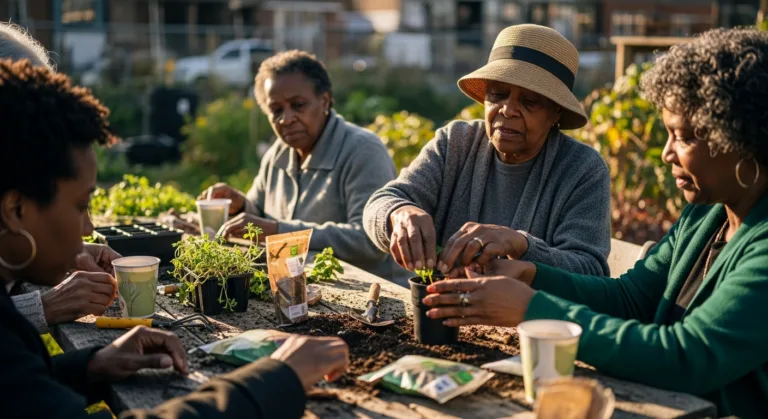
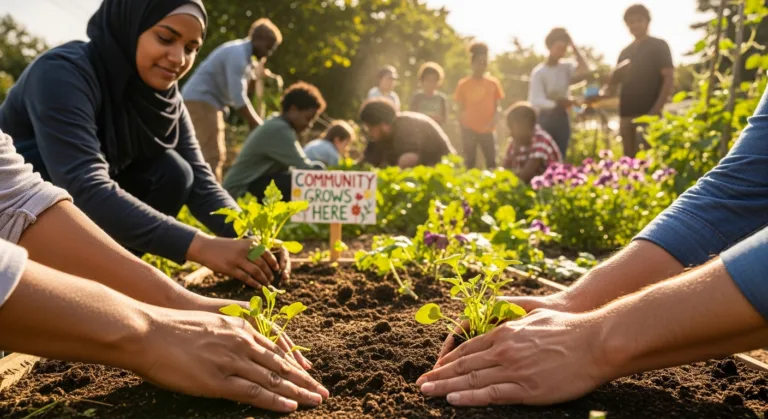
For example, instead of simply donating food to a food bank, consider investing in a community garden that provides fresh produce and promotes self-sufficiency. Or, instead of organizing a one-time clothing drive, support a local organization that provides job training and professional attire to individuals seeking employment. Long-term engagement means thinking beyond immediate needs and addressing the root causes of inequality.
Leveraging Your Sphere of Influence for Activism
Activism isn’t just about marching in protests or posting on social media (although those can be valuable tools). It’s about using your sphere of influence to raise awareness, challenge injustice, and advocate for change within your own circles.
Here are some ways to leverage your influence:
- Educate yourself and others: Share information about the challenges faced by marginalized communities and the steps people can take to support them.
- Challenge bias and discrimination: Speak out against prejudice and discrimination whenever you encounter it, whether in your personal or professional life.
- Support businesses and organizations that are committed to social justice: Patronize companies that prioritize diversity, equity, and inclusion.
- Advocate for policy changes: Contact your elected officials and urge them to support policies that benefit marginalized communities. Use tools like Countable to easily find and contact your representatives.
- Use your platform to amplify marginalized voices: Share the stories and perspectives of community members who are often overlooked or silenced.
Your sphere of influence may be larger than you realize. By using your voice and your resources, you can make a significant difference in the lives of others. Remember that effective activism often starts with small, consistent actions.
Measuring and Evaluating Social Impact
To ensure that your efforts are making a real difference, it’s essential to measure and evaluate your social impact. This involves tracking your progress, identifying areas for improvement, and holding yourself accountable for achieving your goals.
Here are some steps for measuring and evaluating your impact:
- Define your goals: What specific outcomes are you hoping to achieve? Be as clear and specific as possible.
- Identify key metrics: What data will you collect to track your progress? Examples include the number of people served, the amount of money raised, or the changes in policy that you have helped to enact.
- Collect data: Use surveys, interviews, and other methods to gather information about the impact of your efforts. Google Analytics can be a useful tool for tracking website traffic and engagement.
- Analyze your data: What does the data tell you about the effectiveness of your efforts? Are you achieving your goals? If not, what needs to change?
- Share your findings: Communicate your results to your stakeholders, including community members, donors, and other partners. Be transparent about your successes and your challenges.
Measuring social impact is an ongoing process. It requires a commitment to continuous learning and improvement. By tracking your progress and evaluating your results, you can ensure that your efforts are making a meaningful difference in the lives of marginalized communities.
A 2024 study by the Stanford Social Innovation Review found that organizations that regularly measure their social impact are twice as likely to achieve their goals.
Maintaining Momentum and Avoiding Burnout
Long-term engagement requires sustained effort and commitment. It’s important to prioritize self-care and avoid burnout. Remember that you can’t pour from an empty cup.
Here are some tips for maintaining momentum and preventing burnout:
- Set realistic goals: Don’t try to do too much at once. Focus on making small, consistent contributions over time.
- Take breaks: Schedule regular breaks to rest and recharge. Step away from your work and engage in activities that you enjoy.
- Connect with others: Build a support network of like-minded individuals who share your passion for social justice.
- Celebrate your successes: Acknowledge and celebrate your accomplishments, no matter how small. This will help you stay motivated and inspired.
- Seek professional help: If you’re feeling overwhelmed or burned out, don’t hesitate to seek professional help from a therapist or counselor.
Remember that activism is a marathon, not a sprint. By prioritizing self-care and building a strong support system, you can sustain your commitment to long-term engagement and make a lasting difference in the lives of others. Don’t be afraid to delegate tasks or ask for help when needed. Support is a two-way street.
What does it mean to be an ally?
Being an ally means using your privilege and resources to support and advocate for marginalized communities. It involves listening to their experiences, amplifying their voices, and challenging systemic inequalities.
How can I avoid performative allyship?
Focus on actions that create real change rather than gestures that are primarily for show. Engage in long-term engagement, build relationships, and support community-led initiatives.
What are some examples of sustainable solutions?
Sustainable solutions address the root causes of marginalization. Examples include investing in education, economic development, and policy advocacy.
How can I measure my social impact?
Define your goals, identify key metrics, collect data, analyze your findings, and share your results. Use tools like surveys and interviews to gather information about the impact of your efforts.
What can I do if I’m feeling burned out?
Set realistic goals, take breaks, connect with others, celebrate your successes, and seek professional help if needed. Remember that self-care is essential for long-term engagement.
Moving beyond fleeting online trends to create real social impact for marginalized communities requires a sustained commitment. It means building relationships, investing in sustainable solutions, leveraging your influence, and prioritizing self-care. Remember that true support is about more than just a hashtag; it’s about creating a more just and equitable world for all. Start small, stay consistent, and be the change you wish to see. What single, actionable step will you take today to foster long-term engagement?