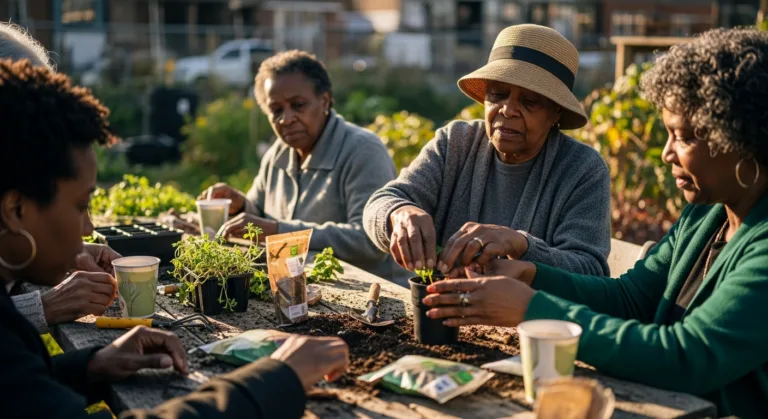
Beyond Tokenism: Amplifying Marginalized Voices in Your Brand Messaging
In 2026, simply acknowledging diversity isn’t enough. Consumers demand authentic representation, and brands must move beyond tokenism. Meaningful inclusion of marginalized voices in your brand messaging is not just ethically sound, it’s a business imperative. But how do you ensure your efforts are genuine and impactful, rather than performative?
Understanding the Landscape of Representation
Before diving into strategies, it’s crucial to understand the current landscape. For too long, marketing has been dominated by a single narrative, often excluding or misrepresenting entire communities. This isn’t just a matter of aesthetics; it impacts brand perception, customer loyalty, and ultimately, the bottom line. A 2025 study by Deloitte found that 70% of consumers prefer brands that demonstrate diversity and inclusion.
Marginalized voices encompass a wide spectrum, including but not limited to:
- People of color
- LGBTQIA+ individuals
- People with disabilities
- Individuals from diverse socioeconomic backgrounds
- Religious minorities
Each of these groups has unique experiences, perspectives, and needs. Generic messaging that treats them as a monolith will inevitably fall flat. True representation requires understanding the nuances within each community.
My experience working with non-profits has shown me that the most successful campaigns are those that involve community members from the outset, ensuring their voices are not only heard but also shape the narrative.
Moving from Performative Allyship to Authentic Inclusion
The difference between performative allyship and authentic inclusion lies in the intention and the follow-through. Performative allyship is often characterized by superficial gestures, such as featuring a diverse cast in an advertisement without addressing systemic inequalities. Authentic inclusion, on the other hand, involves a deep commitment to equity and justice, both internally and externally.
Here are some steps to ensure your brand messaging reflects genuine inclusion:
- Conduct an internal audit: Before you start crafting external messages, examine your own organization. Are your employees diverse? Are there opportunities for advancement for marginalized voices? Do your policies promote equity and fairness? A 2024 report from McKinsey & Company found that companies with diverse executive teams are 36% more profitable than those with less diversity.
- Engage with community members: Don’t assume you know what marginalized voices want to hear. Reach out to community organizations, conduct focus groups, and listen to their concerns and suggestions. Pay them for their time and expertise.
- Diversify your creative team: Ensure that the people creating your brand messaging reflect the diversity of your target audience. This includes writers, designers, photographers, and marketers.
- Tell authentic stories: Avoid stereotypes and tropes. Focus on telling real stories that resonate with the experiences of marginalized voices. Showcase their strengths, resilience, and contributions.
- Use inclusive language: Be mindful of the language you use. Avoid jargon, slang, and phrases that may be offensive or exclusionary. Use person-first language (e.g., “person with a disability” instead of “disabled person”).
- Be transparent and accountable: Acknowledge past mistakes and commit to doing better. Share your progress and be open to feedback. If you make a misstep, apologize sincerely and take corrective action.
Crafting Inclusive Brand Messaging
Once you’ve laid the groundwork for authentic inclusion, you can begin crafting brand messaging that resonates with marginalized voices. This involves more than just adding a few diverse faces to your advertisements; it requires a fundamental shift in your approach to communication.
Here are some tips for crafting inclusive brand messaging:
- Focus on shared values: Instead of focusing on differences, highlight the values that unite us, such as compassion, empathy, and justice.
- Use storytelling to connect with your audience: Share stories that humanize marginalized voices and challenge stereotypes.
- Showcase diverse role models: Feature individuals from marginalized communities who are making a positive impact.
- Address social issues: Don’t be afraid to take a stand on issues that are important to your audience. However, do so in a way that is authentic and respectful.
- Partner with influencers from marginalized communities: Collaborate with influencers who have a genuine connection to your target audience. Ensure that they align with your values and that you give them creative control.
For example, instead of simply saying “We support diversity,” you could share a story about how your company is working to create a more inclusive workplace. Or, you could partner with a non-profit organization that supports marginalized communities.
Measuring the Impact of Your Efforts
Measuring the impact of your inclusion efforts is crucial to ensuring that you’re making a difference. This involves tracking a variety of metrics, both quantitative and qualitative.
Here are some metrics to consider:
- Employee diversity: Track the representation of marginalized voices within your organization, particularly in leadership positions. Use tools like Workday to monitor diversity metrics.
- Customer demographics: Analyze your customer base to see how diverse it is. Use Google Analytics to understand your audience demographics.
- Brand perception: Conduct surveys and focus groups to gauge how your brand is perceived by marginalized voices.
- Social media engagement: Monitor social media to see how your brand messaging is resonating with your audience. Tools like Hootsuite can help track social media engagement.
- Sales and revenue: Track sales and revenue to see if your inclusion efforts are having a positive impact on your bottom line.
It’s also important to gather qualitative feedback from marginalized voices. This can be done through interviews, focus groups, and online forums. Use this feedback to continuously improve your inclusion efforts.
Avoiding Common Pitfalls
Even with the best intentions, it’s easy to make mistakes when trying to amplify marginalized voices. Here are some common pitfalls to avoid:
- Tokenism: Featuring a diverse cast in an advertisement without addressing systemic inequalities.
- Stereotyping: Reinforcing harmful stereotypes about marginalized voices.
- Cultural appropriation: Using elements of another culture without understanding or respecting their meaning.
- Tone-deafness: Saying or doing something that is insensitive or offensive to marginalized voices.
- Lack of follow-through: Making promises you can’t keep or failing to take meaningful action.
To avoid these pitfalls, it’s essential to be mindful, respectful, and willing to learn. Seek out feedback from marginalized voices and be open to criticism. Remember that inclusion is an ongoing journey, not a destination.
In my experience, the most common mistake brands make is assuming they know what marginalized communities want. Direct communication and collaboration are essential to avoid missteps.
Conclusion
Moving beyond tokenism and truly amplifying marginalized voices in your brand messaging requires a genuine commitment to diversity and inclusion. It’s about more than just aesthetics; it’s about creating a more equitable and just world. By understanding the landscape, crafting inclusive messages, measuring your impact, and avoiding common pitfalls, you can build a brand that resonates with all audiences. Start today by auditing your internal practices and engaging with the communities you aim to represent. Are you ready to take action?
What is the difference between diversity and inclusion?
Diversity refers to the presence of differences within a group, such as race, ethnicity, gender, sexual orientation, and socioeconomic background. Inclusion refers to creating an environment where everyone feels valued, respected, and empowered to participate fully.
How can I ensure my brand messaging is authentic?
Authenticity comes from genuine engagement with marginalized voices. Involve community members in the creation of your brand messaging, tell real stories, and be transparent about your efforts.
What are some common mistakes to avoid when trying to be inclusive?
Avoid tokenism, stereotyping, cultural appropriation, tone-deafness, and lack of follow-through. Be mindful, respectful, and willing to learn from your mistakes.
How do I measure the success of my diversity and inclusion initiatives?
Track metrics such as employee diversity, customer demographics, brand perception, social media engagement, and sales. Also, gather qualitative feedback from marginalized voices.
What if I make a mistake?
Everyone makes mistakes. If you make a misstep, apologize sincerely, take corrective action, and learn from the experience. Transparency and accountability are key.